Best Practices in Mine Site Rehabilitation: Advancing Sustainable Closure

Responsible mining entities are recognizing mine site rehabilitation as a critical element in the spectrum of sustainable mining, symbolizing the sector’s commitment to environmental conservation and prudent resource management. The cost of mine site rehabilitation is a significant consideration in this commitment. As an essential aspect of reinstating ecological balance and enabling sustainable closure of mining activities, mine rehabilitation plans emerge as a key investment avenue. Harnessing innovative techniques and following strict standards, not only alleviates environmental impacts but also encourages post-mining land applications that provide enduring advantages for communities and ecosystems. This dedication to rehabilitation by conscientious mining firms and nations with stringent environmental regulations highlights a progressive mindset, placing the mining industry as a frontrunner in sustainable and ethical environmental practices.

TLDR

  • Mining Market Expansion: The mining market saw substantial growth in 2023, fueled by the Russia-Ukraine conflict, the ongoing effects of the COVID-19 pandemic, the escalating demand for metals vital for electric vehicles (EVs), China’s rapid industrialization and urbanization, and the worldwide transition towards renewable energy solutions.
  • Defining Mine Rehabilitation: The process of repairing and rejuvenating landscapes impacted by mining, with the goal of returning the land to its pre-mining state or better, fulfilling both legal and moral responsibilities.
  • Distinguishing Rehabilitation from Remediation: Rehabilitation aims to restore land for natural or new uses, whereas remediation focuses on cleaning up polluted sites.
  • Significance of Mine Rehabilitation: Essential for mitigating climate change, fostering socio-economic growth, conserving biodiversity, and maintaining ecological equilibrium.
  • Innovations in Mine Rehabilitation: Utilizes Geographic Information Systems (GIS), remote sensing, bioengineering, drone technology, and Artificial Intelligence (AI) for effective restoration and monitoring.
  • Mine Rehabilitation Procedure: Involves evaluation and planning, environmental safeguarding, remediation, revegetation, monitoring, and adherence to regulations.
  • Safety in Mine Rehabilitation: Prioritizes the safety of workers, environmental protection, and infrastructure security, including the sealing of unused and abandoned mine shafts and the management of hazardous substances.
  • Varieties of Mine Rehabilitation: Encompasses agricultural, conservation, grazing, native restoration, land rehabilitation, water management, community development, and tailings management.
  • Components of Mine Rehabilitation: Focuses on environmental care, regulatory adherence, community engagement, and economic strategy.
  • Challenges in Mine Rehabilitation: Tackles environmental legacies and the socio-economic effects on communities in the area, necessitating comprehensive investment, planning, and execution.
  • Pan African Resources’ Rehabilitation Initiatives: Highlights a commitment to reliable mining and rehabilitation practices, including tailings reprocessing, shaft restoration, water recycling, biodiversity conservation, community development, and the adoption of innovative technologies.

What is Mine Rehabilitation?

The global economy continues to benefit from mining activities. The year 2023, shaped by the Russia-Ukraine conflict and the lingering impacts of the COVID-19 pandemic, witnessed the mining market grow from $2022.6 billion in the previous year to $2145.15 billion.

A significant factor in this expansion is the rising demand for metals critical to electric vehicles (EVs). As the global community leans towards renewable energy and transport solutions, the requirement for lithium, nickel, cobalt, and other EV-relevant metals has spiked, presenting both new prospects and challenges for the mining industry. This surge is compounded by China’s rapid industrialization and urbanization, maintaining its status as a significant consumer of various minerals and metals. Moreover, the global drive for sustainable energy solutions further elevates the demand for minerals integral to renewable energy technologies, adding another dimension to the mining sector’s demand.

Despite mining’s crucial role in extracting indispensable minerals and resources such as gold, it invariably leaves an environmental footprint during its operation. These activities often result in significant landform changes and can negatively impact air quality and water bodies in surrounding areas. The environmental footprint of mining is complex, extending beyond the mining site and affecting the surrounding landscapes, habitats, and biodiversity.

Mine rehabilitation is a comprehensive process aimed at restoring land affected by mining activities to a state that is safe and beneficial for wildlife, flora, and human use. This practice involves meticulous planning and implementation of various restoration techniques to ensure the landscape is returned to its natural or economically viable condition. Effective mine rehabilitation addresses environmental impacts, stabilizes the land, and promotes biodiversity, ultimately transforming previously disturbed sites into areas that support ecological balance and community development. This obligation, both legal and ethical for companies like Pan African Resources, is a critical step towards preserving ecological balance and promoting sustainable land use after mining, benefitting all stakeholders involved.

Rehabilitation vs Remediation

As noted, mine rehabilitation involves the process of returning land affected by mining operations to a state that is either natural or suitable for economic use. This encompasses a variety of actions such as soil stabilization, managing water resources, replanting vegetation, and recreating habitats for wildlife. The goal is to restore the land to a condition as similar as possible to its original state or to remodel it for beneficial uses after mining, such as for farming or recreational activities.

Conversely, mine remediation concentrates on cleaning up and detoxifying sites that have been polluted or contaminated by mining. Examples of mining rehabilitation often include replenishing soil and water that have been tainted with dangerous substances from past mining operations. The objective of remediation is to lower the levels of pollutants to safe thresholds, ensuring the site is no longer a hazard to human health or the environment. Often, remediation is a necessary step before rehabilitation can begin, addressing the immediate environmental dangers before the more comprehensive restoration efforts.

Both processes are essential for responsible and sustainable mining practices so that mining sites are managed safely during the mining activities and once they are complete.

The Importance of Mine Rehabilitation

Research from the Deloitte Center for Sustainable Progress shows that extreme weather conditions pose a threat to one-fourth of the global workforce. However, a cohesive strategy toward mitigating climate change could create up to 300 million jobs by the year 2050 and is projected to increase the global economy by more than $43 trillion by 2070. These statistics underscore the urgent need for climate action and a fair transition to sustainable energy sources. In light of these challenges, mining corporations are increasingly committing to environmentally responsible practices.

This shift indicates a deeper corporate awareness of the long-term environmental and societal effects of mining. Effective mine rehabilitation is vital in this regard, as it allows for the repurposing of mined land for productive purposes such as agriculture, community development, or conservation, thus supporting the local economy after mining has ceased. This aids in regional socio-economic growth and is crucial for maintaining ecological equilibrium, preserving biodiversity, and reducing environmental issues like soil degradation and water pollution.

Rehabilitation efforts that rejuvenate the biological landscape and address the environmental damage caused by mining showcase the industry’s pledge to leave a lasting legacy. Pan African Resources exemplifies this commitment to Environmental, Social, and Governance (ESG) principles, highlighting the firm’s commitment to environmental stewardship. The company has adopted various ESG initiatives to lessen its environmental impact and positively influence the communities it operates in, including investing in green energy, adopting recycling and water conservation practices, and initiating community development projects.

How Does Mine Rehabilitation Work?

Mine rehabilitation is a comprehensive and intricate process essential for returning land impacted by mining to a condition of environmental usability and stability. Over time, this process has incorporated new practices and cutting-edge technologies to improve its effectiveness and efficiency.

A leading practice in mine rehabilitation is the application of Geographic Information Systems (GIS) and remote sensing. These technologies enable detailed analysis and mapping of the mining site, facilitating precise planning and tracking of rehabilitation efforts. They offer essential data on soil composition, plant life, water bodies, and topography, crucial for successful restoration.

Bioengineering techniques represent another innovative approach, utilizing plants and their root systems to stabilize soil, mitigate erosion, and absorb pollutants. This method not only aids in ecological balance restoration but also enhances the visual appeal of the rehabilitated area.

Drone technology is also increasingly utilized for surveying and evaluating the progress of rehabilitation projects. Drones provide up-to-date, high-quality images of the site and allow for real-time observation of changes and pinpointing areas requiring further intervention.

Moreover, the integration of artificial intelligence (AI) and machine learning in mine rehabilitation is proving invaluable. AI algorithms can process vast quantities of environmental data to forecast outcomes and recommend optimal rehabilitation strategies, thereby accelerating the rehabilitation process and improving its effectiveness through data-driven insights.

What is involved in Mine Rehabilitation?

Mine rehabilitation is comprised of several crucial stages, each pivotal to the overall success of the endeavor. Here’s an overview:

  • Assessment and Planning: The initial phase entails assessing the site’s past and present environmental impact, including water resources, soil quality, and habitat restoration potential. So how do mining companies rehabilitate the land used for mining? Effective planning for mine rehabilitation and closure requires consideration of any activities that are permitted or prohibited in certain areas and adhering to local environmental laws and regulations.
  • Environmental Protection: Strategies are implemented to prevent further environmental harm during and after mining operations. This may involve measures for controlling erosion, managing water, and securing hazardous materials, as appropriate.
  • Remediation: The focus of remediation is primarily on addressing water and soil contamination, often through pollutant removal and land reclamation.
  • Revegetation: An essential element of mine rehabilitation is the restoration of vegetation with minimal soil disruption and the removal or control of invasive plant species. Indigenous plants are generally reintroduced to stabilize the soil, increase biodiversity, and improve the site’s aesthetic value.
  • Monitoring and Maintenance: After rehabilitation, continuous monitoring ensures the site’s stability and ecological health. This includes regular assessments of soil stability, water quality, and the viability of restored ecosystems. Engaging local communities in the rehabilitation process can help ensure the land provides enduring social, environmental, and economic benefits.
  • Regulatory Compliance: Mine rehabilitation typically requires adherence to applicable ESG standards and legal and regulatory obligations, including compliance with approved environmental rehabilitation plans and financial assurances to substitute rehabilitation expenses if mining companies do not meet their responsibilities.

How to Rehabilitate Safely

Ensuring safety is a top priority in mine rehabilitation, focusing on the well-being of workers and the safeguarding of the environment. This requires detailed planning that incorporates risk assessments and thorough safety guidelines. Workers must receive extensive training in managing hazardous substances, such as pesticides, solvents, and metallic residues, and in safely operating equipment. The use of Personal Protective Equipment (PPE) is vital for deterring injuries and exposure to contaminated agents, and its application is mandated by law.

Environmental safety is a significant concern, especially in managing and disposing of hazardous materials often found in older mining sites and ensuring their safe removal and disposal at certified hazardous waste facilities. This may involve the extraction of contaminated soil and overburden, which is the layer of rock and soil that must be removed to reach the ore below.

In terms of infrastructure safety, it’s critical to seal all unused and abandoned mine shafts and entryways to old workings with non-reactive fill and professionally designed concrete barriers. These actions prevent unintentional access and environmental harm. Moreover, any remaining structures should be safely taken down, either by using hydraulic breakers or controlled explosives, particularly those tainted with hazardous substances.

Following the Minerals and Petroleum Resources Development Act (MPRDA) guidelines, after demolition, the exposed terrain should be reshaped to create a gently inclined surface that promotes efficient water drainage. The topsoil that was set aside during the mining phase should be replaced, enriched with nutrients, and thoroughly cultivated. In cases where infrastructure was constructed without considering eventual removal, the foundations may be too extensive to remove feasibly. In such instances, it’s acceptable to cover these with a layer of material at least one meter thick.

Conducting regular safety reviews and inspections by the Department of Mineral Resources and Energy’s (DMRE) chief inspector’s office is essential for maintaining safety regulations and protocols. These procedures help identify potential risks and facilitate prompt corrective measures. This all-encompassing approach to safety, from planning through to implementation, is critical in mine rehabilitation to ensure the protection of workers, the environment, and surrounding communities.

The Different Types of Mine Rehabilitation

Best Practices in Mine Site Rehabilitation_ Advancing Sustainable Closure

Cropping

The rehabilitation technique of cropping involves adapting the crop yield of the restored site to match that of the adjacent agricultural areas. It incorporates sustainable farming methods and continuous monitoring to integrate the rehabilitated land seamlessly back into the natural or pre-existing agricultural setting.

Conservation

Conservation initiatives in mine rehabilitation aim to lessen the environmental impact following the cessation of mining operations. This can include a variety of actions such as forest management, restoring agricultural natural environments, efficient water management, and safeguarding natural heritage sites. These efforts are vital for maintaining biodiversity and ecological equilibrium in the region.

Grazing

The grazing method allows domestic animals to graze on the land after mining, feeding on the natural or restored vegetation. Managing this process to prevent overgrazing is crucial and can involve supervised leasing of the land or utilizing livestock owned by the mine. Suitable grazing areas should possess soil or a soil-like substance that is at least 0.25 meters in depth, containing less than 50% of its volume in large stones or pieces, and be capable of supporting grass or forage plants that are beneficial to livestock or wildlife. This technique promotes biodiversity and transforms the area into a productive agricultural system, also providing sustainable employment opportunities.

Native Restoration

Native Restoration focuses on reintroducing indigenous plants and vegetation to the site after mining, encouraging the development of a functional ecosystem that includes both plant and animal species native to the area. This method tackles the challenges of post-mining landscapes by reviving the area’s original ecological features.

Land Rehabilitation

Land rehabilitation aims to restore the mined land’s topography and stability. This typically involves recontouring the land to its original shape, covering exposed areas with topsoil, and planting native species. The objectives are to prevent soil erosion, enhance the landscape’s visual appeal, and prepare the land for conservation or agricultural uses.

Water Management Rehabilitation

This rehabilitation type focuses on mitigating the mining impacts on local water systems. It encompasses treating contaminated water, restoring natural watercourses and marshes, and ensuring that any pits that have remained open do not negatively affect the water table. Effective water management is essential for the health of ecosystems in surrounding areas and for preventing long-term water contamination that could impact nearby communities.

Community Development Rehabilitation

This approach incorporates a social dimension into rehabilitation, transforming former mining sites into areas usable for community development, such as recreational facilities, parks, or residential and commercial projects. The aim is to ensure that the land’s post-mining use brings benefits and value to the local community.

Tailings Management Rehabilitation

Tailings, the residues from mineral processing, pose environmental hazards if not properly managed. Tailings management rehabilitation involves securing current tailings accumulations, enveloping them in earth, and creating a vegetative layer. This mitigates the danger of dust from tailings dust or leachate entering the environment and allows the land to be used productively.

Elements of Mine Rehabilitation

Environment

The environmental component of mine rehabilitation emphasizes long-term care and monitoring of rehabilitated sites, essential for evaluating their impact on local ecosystems and ensuring their sustainability. This typically includes ongoing environmental monitoring, a standard industry practice to assess the success of rehabilitation efforts mandated by law. Routine activities involve testing soil and water quality, conducting wildlife surveys, and evaluating vegetation. These actions guarantee that rehabilitated lands are not just stable but also ecologically vibrant. This reflects a wider industry commitment to environmental responsibility, underlining the significance of nurturing and enhancing the natural environment after mining operations.

Regulations

Mine rehabilitation is governed by a wide range of regulations that differ by region and country, setting the standards for rehabilitation execution and ensuring accountability for the environmental effects of mining operations. Adhering to these regulations is a crucial legal obligation and signifies a commitment to responsible mining practices within the sector. Regular audits and reporting are necessary to show compliance.

Social

The social dimension of mine rehabilitation involves engaging with various stakeholders, including local communities, governments, and non-governmental organizations (NGOs), before, during, and after the start of operations. This engagement is vital for understanding and meeting the needs and expectations of communities affected by mining operations. Restored mining areas can greatly enhance community growth by offering new job opportunities, creating community spaces, and improving local infrastructure. Involving local communities in the rehabilitation process is crucial to ensure that the restored land meets their needs and supports their long-term prosperity and well-being.

Economic

The economic aspect of mine rehabilitation considers and manages the financial implications integral to the process. It’s important for mining companies to factor in the cost of rehabilitation into the overall life cycle costs of the mine, ensuring that sufficient funds and financial provisions are allocated for effective rehabilitation. Transparent reporting of progress and outcomes in mine rehabilitation is key, as it can greatly influence investor confidence. A dedication to responsible rehabilitation applications not only enhances a business’ reputation but also adds to its long-term financial health by showing prudent management of environmental and social impacts.

Challenges of Mine Rehabilitation

Closing a mine presents significant environmental and socio-economic challenges that need responsible management. Environmental legacies, such as soil contamination and water pollution, must be addressed, along with the socio-economic impacts on local communities that often depend on the mine for employment and economic activities.

Successful mine closure requires comprehensive planning and the implementation of rehabilitation strategies. Environmental remediation is crucial to restore land and water quality and to re-establish vegetation and wildlife habitats. Ensuring the site’s safety and stability is also imperative. From a socio-economic perspective, strategies should aim at re-skilling workers, promoting alternative economic development in the area, and collaborating with local communities to determine and realize beneficial post-mining land uses.

Our Rehabilitation Projects

Pan African Resources (PAR) has embarked on several rehabilitation projects, adhering to the highest standards in environmental care, regulatory compliance, social responsibility, and economic planning. These projects exemplify PAR’s commitment to responsible mining and rehabilitation practices.


Expertise in Tailings Retreatment and Land Rehabilitation

Our leadership in executing tailings retreatment projects, such as the BTRP and Elikhulu, is complemented by our dedication to land rehabilitation. We are targeting a 41% land rehabilitation goal by 2030 for the MTR project (set to start in December 2024), showcasing our commitment to restoring disturbed areas and minimizing environmental impacts.


Sustainable Development and Biodiversity Management

Our operations, especially in biodiversity-rich areas such as the Barberton Makhonjwa Mountains, focus on minimizing impacts on biodiversity and ecosystems. This includes preventing habitat loss, degradation, or fragmentation, and controlling soil erosion. The proactive steps we follow include concurrent rehabilitation of disturbed sites, biomonitoring, protecting endangered species, and managing erosion.

Community and Environmental Stewardship with a Focus on Biodiversity

Acknowledging the significance of our host communities, we are dedicated to driving social, economic, and infrastructure development while safeguarding and rehabilitating the natural environment. Our operations near or within the Barberton Nature Reserve highlight our responsibility to preserve biodiversity and natural heritage.

Innovative Technology, Compliance, and Rehabilitation Plans

We operate with a commitment to environmental stewardship, using innovative technologies and complying with environmental laws and regulations. Our comprehensive rehabilitation, decommissioning, and mine closure plans, including environmental risk assessments and yearly rehabilitation plans, are prepared in line with the NEMA Financial Provision Regulations.

Biodiversity Partnerships and Conservation Efforts

Our partnership with Care for Wild and the MTPA supports the management of the Barberton Nature Reserve, with a focus on rhino conservation and ecosystem management. Our work with Conservation Outcomes boosts our biodiversity conservation efforts.

Effective Land Rehabilitation for Stakeholder Trust

We acknowledge the critical role that thorough land restoration plays in preserving our right to operate. Our initiatives focus on reviving ecosystems to their original conditions, reestablishing ecological equilibriums, and promoting the resurgence of native plant and animal life.

Comprehensive Environmental Management and Reporting

Plans for comprehensive rehabilitation, shutdown, and closure have been meticulously prepared by Barberton Mines, Evander Mines, and the MTR project. These strategies reflect our dedication to caring for the environment and adhering to responsible mining methods, as highlighted by Evander Mines’ effective restoration of former shafts and living quarters.

Our method for managing environmental concerns and preservation is extensive and involves a variety of approaches, including alliances with key partners, robust management strategies, and a dedicated focus on protecting biodiversity, fostering community growth, and implementing eco-friendly mining operations.

FAQs

Is there a difference between mine reclamation and mine rehabilitation?

Yes, mine reclamation involves restoring the land to a usable state after mining, often for industrial, agricultural, or recreational purposes. Mine rehabilitation focuses more on returning the land to its natural state, emphasizing ecological restoration and environmental stability.

How long does it take to rehabilitate a mine?

The time required to rehabilitate a mine varies greatly depending on the mine’s size, the extent of environmental damage, and the specific rehabilitation goals. It can take from several years to decades.

What is mining site restoration?

Mining site restoration is the process of repairing and managing land disturbed by mining activities, aiming to return it to a natural or economically productive state, often including soil stabilization, re-vegetation, and water management.

What is the difference between remediation and rehabilitation?

Remediation focuses on removing or neutralizing contaminants from the environment, making the site safe for use. Rehabilitation involves broader activities, including remediation, but extends to restoring the landscape and ecosystem to a functional and sustainable state.

About the Author: Hethen Gangaram Hira

Hethen Hira, currently the Head of Investor Relations and Communications at Pan African Resources Plc since 2020, has over 30 years’ experience in the mining sector. His previous roles include managerial and executive roles at Sibanye-Stillwater, Witwatersrand Consolidated Gold Resources Ltd and Harmony Gold. Earlier in his career, Hethen worked as a Senior Geologist in the Mineral Resource Division at the Council for Geoscience. He holds an undergraduate degree from the University of KZN (1994) and a graduate degree from Rhodes University (1997).

Best Practices in Mine Site Rehabilitation: Advancing Sustainable Closure

Mindful mining entities are increasingly viewing mine site rehabilitation as a pivotal component in the realm of sustainable mining, signifying the industry’s pledge to environmental preservation and wise resource utilisation. As a fundamental part of re-establishing ecological equilibrium and facilitating the sustainable cessation of mining activities, mine site rehabilitation stands out as a significant investment opportunity. Employing pioneering methods and adhering to stringent guidelines not only mitigates environmental ramifications but also promotes the utilisation of post-mining land in ways that yield lasting benefits for communities and ecosystems alike. This commitment to rehabilitation, demonstrated by responsible mining companies and countries with strict environmental policies, underscores a forward-thinking attitude, positioning the mining sector at the forefront of sustainable and ethical environmental practices.

TLDR

  • Expansion of the Mining Sector: The mining industry experienced notable growth in 2023, propelled by the Russia-Ukraine conflict, the enduring effects of the COVID-19 pandemic, increased demand for metals essential for electric vehicles (EVs), China’s swift industrial growth and urban expansion, and the global shift towards renewable energy sources.
  • Understanding Mine Rehabilitation: The act of restoring and revitalising landscapes affected by mining, aiming to return the land to its original state or an improved condition, thereby fulfilling legal and ethical obligations.
  • Differentiating Rehabilitation from Remediation: Rehabilitation focuses on restoring land for natural or alternative uses, while remediation concentrates on cleaning contaminated sites.
  • The Critical Role of Mine Rehabilitation: Crucial for combating climate change, driving socio-economic development, conserving biodiversity, and sustaining ecological balance.
  • Advancements in Mine Rehabilitation: Incorporates Geographic Information Systems (GIS), remote sensing, bioengineering, drone technology, and Artificial Intelligence (AI) for efficient restoration and monitoring.
  • The Process of Mine Rehabilitation: Entails assessment and planning, environmental protection, revegetation, remediation, monitoring, and compliance with regulations.
  • Ensuring Safety in Mine Rehabilitation: Emphasises the safety of workers and environmental protection, including the secure sealing of disused mine shafts and the management of hazardous materials.
  • Diverse Approaches to Mine Rehabilitation: Includes methods for agriculture, community development, conservation, native restoration, grazing, water management, land restoration, and tailings management.
  • Key Aspects of Mine Rehabilitation: Focuses on environmental stewardship, adherence to regulations, community involvement, and economic strategies.
  • Addressing Challenges in Mine Rehabilitation: Deals with environmental and socio-economic impacts on local communities, requiring significant investment, meticulous planning, and execution.
  • Rehabilitation Initiatives by Pan African Resources: Demonstrates a commitment to responsible mining and rehabilitation practices, including tailings reprocessing, shaft restoration, community development, water recycling, biodiversity conservation, and the adoption of innovative technologies.

What is Mine Rehabilitation?

The global economy continues to reap benefits from mining activities. The year 2023, marked by the Russia-Ukraine conflict and the persistent impacts of the COVID-19 pandemic, saw the mining market expand from $2022.6 billion the previous year to $2145.15 billion.

This growth is significantly driven by the escalating demand for metals crucial to electric vehicles (EVs). With the global shift towards renewable energy and transport solutions, the need for lithium, nickel, cobalt, and other EV-relevant metals has surged, presenting both opportunities and challenges for the mining sector. This increase is further amplified by China’s rapid industrial and urban development, maintaining its role as a major consumer of various minerals and metals. Additionally, the global pursuit of sustainable energy solutions further boosts the demand for minerals essential to renewable energy technologies, adding another layer to the mining sector’s demand dynamics.

Despite the vital role of mining in extracting indispensable minerals and resources like gold, it invariably impacts the environment during its operations. These activities often lead to significant alterations in landforms and can adversely affect air and water quality in surrounding areas. The environmental footprint of mining is complex, extending beyond the immediate mining site and influencing surrounding landscapes, habitats, and biodiversity.

Hence, mine rehabilitation is designed to restore and recondition landscapes altered or damaged by mining operations. Its primary goal is to minimise the environmental impact of a mine and ensure the land can be restored to a condition that is the same or better than before mining began. This responsibility, both in a legal and ethical sense for companies such as Pan African Resources, is a crucial step towards returning the land to a state as close as possible to its original state or adapting it for beneficial post-mining uses, such as agricultural or leisure purposes.

Rehabilitation vs Remediation

As previously mentioned, the process of mine rehabilitation entails restoring land disturbed by mining activities to a condition that is either naturally restored or suitable for economic purposes. This involves a range of activities such as soil stabilisation, water resource management, replantation of vegetation, and the re-creation of wildlife habitats. The aim is to return the land to a state as close as possible to its original condition or to adapt it for positive post-mining uses, like agriculture or leisure activities.

On the other hand, mine remediation focuses on the clean-up and detoxification of areas that have been contaminated or polluted by mining activities. This specifically involves the restoration of soil and water that have been compromised by hazardous substances due to previous mining operations. The goal of remediation is to reduce the concentration of pollutants to safe levels, ensuring the area no longer presents a risk to human health or the environment. Remediation often precedes rehabilitation, tackling the immediate environmental hazards before embarking on broader restoration work.

Both practices are crucial for maintaining responsible and sustainable mining operations, ensuring that mining sites are safely managed both during the extraction process and after its completion.

The Importance of Mine Rehabilitation

Studies by the Deloitte Center for Sustainable Progress indicate that extreme weather conditions threaten a significant portion of the global workforce. However, a unified approach to climate change mitigation has the potential to generate up to 300 million jobs by 2050 and is estimated to enhance the global economy by over $43 trillion by the year 2070. These findings underscore the pressing need for climate action and a smooth transition to sustainable energy sources. In response, mining companies are increasingly committing to environmentally friendly practices.

This transition reflects a heightened corporate understanding of mining’s enduring environmental and social impacts. In this context, successful mine rehabilitation is essential, enabling the transformation of mined land for beneficial uses such as farming, community enhancement, or ecological conservation. This, in turn, bolsters the local economy post-mining and contributes to regional socio-economic development. It plays a key role in sustaining ecological balance, safeguarding biodiversity, and mitigating environmental challenges such as soil erosion and water contamination.

Efforts to restore the natural landscape and address the environmental damage caused by mining demonstrate the industry’s commitment to leaving a positive legacy. Pan African Resources, with its dedication to Environmental, Social, and Governance (ESG) principles, exemplifies this commitment, highlighting the company’s dedication to environmental stewardship. The company has implemented various ESG initiatives to reduce its environmental footprint and positively impact its communities, including investing in renewable energy, adopting water conservation and recycling practices, and initiating community development projects.

How Does Mine Rehabilitation Work?

Mine rehabilitation is a detailed and multifaceted process essential for restoring land affected by mining to a state of environmental stability and usability. Over time, this process has integrated new practices and advanced technologies to enhance its effectiveness and efficiency.

A key practice in mine rehabilitation is the use of Geographic Information Systems (GIS) and remote sensing technology. These technologies allow for precise mapping and analysis of the mining site, facilitating accurate planning and monitoring of rehabilitation efforts. They provide critical data on soil types, vegetation, water bodies, and topography, which are essential for successful restoration.

Bioengineering techniques, which use plants and their root systems to stabilise soil, control erosion, and absorb pollutants, represent another innovative approach. This method not only aids in restoring ecological balance but also improves the visual appeal of the rehabilitated land.

Drone technology is increasingly used for surveying and assessing the progress of rehabilitation efforts. Drones are capable of delivering consistent, high-definition imagery of the area, facilitating the immediate monitoring of alterations and pinpointing sections requiring further focus.

Moreover, the incorporation of machine learning and artificial intelligence (AI) into mine rehabilitation processes is increasingly beneficial. AI algorithms have the capacity to sift through extensive environmental data sets to forecast results and recommend the most effective rehabilitation approaches.

What is involved in Mine Rehabilitation?

Mine rehabilitation involves several key steps, each critical to the overall success of the process. Here’s a summary:

  • Assessment and Planning: The initial stage commences with an evaluation of the site’s past and present environmental impact. This encompasses assessing the quality of the soil, water resources, and the possibility for restoring habitats. The planning process for mine rehabilitation and closure entails taking into account any designated or prohibited activities within specific geographical zones. This includes securing the required environmental permits for those zones and adhering to local environmental laws and guidelines.
  • Environmental Protection: Initiatives are implemented to halt additional harm to the environment both during and following mining activities. These initiatives could encompass measures for controlling erosion, managing water resources, and securing hazardous substances as necessary.
  • Remediation: Remediation efforts focus primarily on addressing soil and water contamination, often consisting of the removal of pollutants and reclamation of disturbed areas.
  • Revegetation: An important aspect of mine rehabilitation is restoring greenery with minimal soil loss and controlling or eradicating invasive plant species from the area. Native plants are typically reintroduced to stabilise soil, enhance biodiversity, and improve the area’s aesthetic value.
  • Monitoring and Maintenance: Following rehabilitation, continual surveillance guarantees the stability and ecological integrity of the area. This entails routine inspections of soil firmness, water purity, and the wellbeing of the rejuvenated ecosystems. Moreover, engaging local communities in the rehabilitation effort can help guarantee that the rehabilitated territory delivers enduring benefits across environmental, societal, and economic dimensions.
  • Regulatory Compliance: The process of mine rehabilitation typically requires compliance with pertinent Environmental, Social, and Governance (ESG) criteria, alongside legal and regulatory mandates. This includes conforming to sanctioned plans for environmental restoration and providing financial assurances to cover the costs of rehabilitation should mining firms not meet their responsibilities.

How to Rehabilitate Safely

Prioritising safety is paramount in mine rehabilitation, covering both the safety of workers and the protection of the environment. This necessitates comprehensive planning, encompassing risk assessments and detailed safety protocols. Workers require extensive training in managing hazardous materials, such as pesticides, degreasers, and metallic sludges, as well as in operating machinery safely. The use of Personal Protective Equipment (PPE) is essential for preventing injuries and exposure to harmful substances, and its usage is mandated by law.

Environmental protection is a significant priority, especially regarding the management and disposal of hazardous substances typically encountered in older mining operations and the secure decontamination and disposal at specified hazardous waste facilities. This process might entail the extraction of polluted soil and overburden, the latter being the layer of rock and soil removed to reach the underlying ore.

Regarding infrastructure safety, it’s essential to close off all disused and abandoned mine shafts and entrances to subterranean passages using non-reactive waste and professionally designed concrete barriers. These precautions are taken to block unintended entry and prevent environmental pollution. Furthermore, any extant structures need to be dismantled safely, employing hydraulic breakers or explosives, particularly those tainted with hazardous substances.

In accordance with the Minerals and Petroleum Resources Development Act (MPRDA) guidelines, after demolition, the land should be reshaped into a gradual slope to facilitate effective water drainage and runoff. The topsoil that was set aside during the initial construction should be re-applied, enriched with fertiliser, and deeply ploughed. In situations where the infrastructure was constructed without the foresight of eventual removal, the foundations may be too substantial for practical extraction. In these instances, it is permissible to bury these foundations under a layer of at least one metre of fill material.

Routine safety reviews and checks conducted by the principal inspector’s office of the DMRE are essential to maintain compliance with established safety norms and procedures. Such practices are instrumental in identifying potential risks and implementing prompt remedial measures. This holistic approach to safety, spanning from the planning phase to actual implementation, is imperative in mine rehabilitation efforts to safeguard workers, the ecological surroundings, and surrounding communities.

The Different Types of Mine Rehabilitation

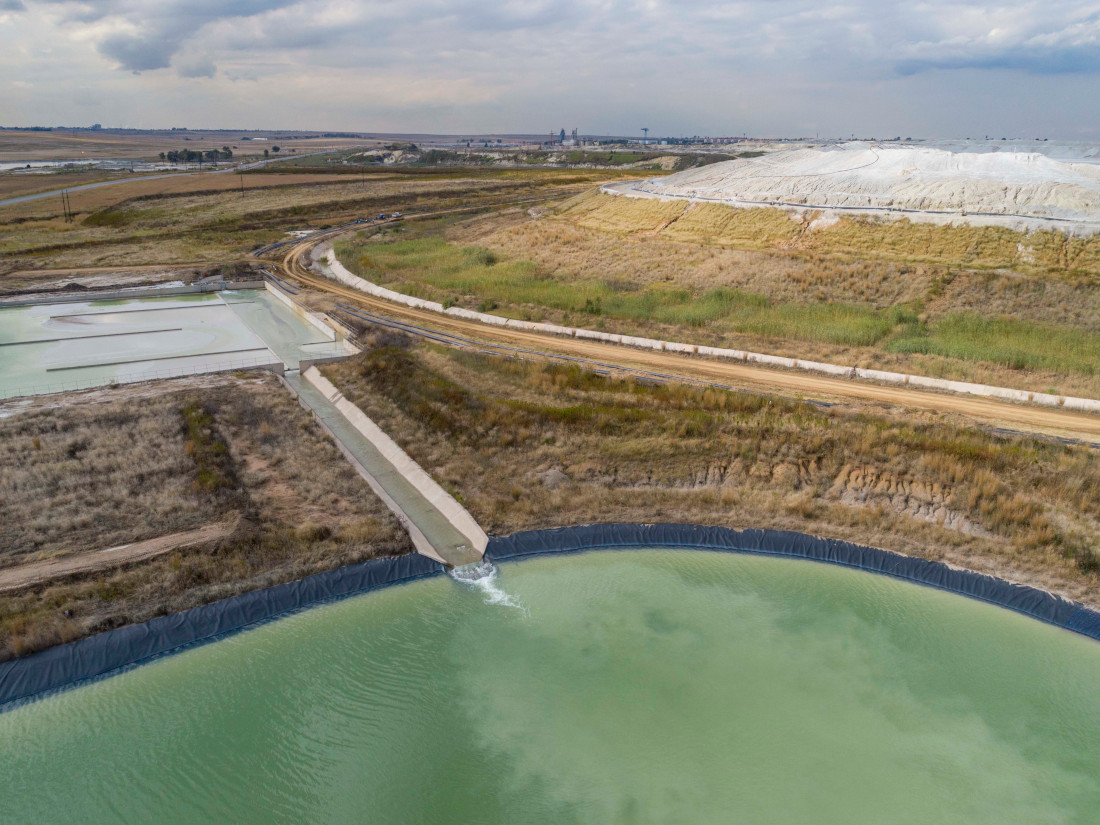
A mine tailings dam site.

Cropping

This method of cropping involves adapting the agricultural output of rehabilitated sites to align with the productivity of surrounding farmlands. It incorporates sustainable farming practices and regular monitoring to ensure the seamless integration of the rehabilitated land into the existing agricultural landscape.

Conservation

Conservation-focused rehabilitation aims to mitigate the environmental impacts post-mining. Activities range from forest management and agricultural restoration to effective water management and protection of natural heritage, crucial for preserving biodiversity and ecological balance.

Grazing

This approach utilises domestic livestock to graze on post-mining land, consuming restored natural grasses or vegetation. It requires careful management to prevent overgrazing and can involve supervised land leasing or the use of mine-owned livestock. Suitable grazing land must have permeable soil or a soil-like substrate at least 0.25 meters deep, with minimal large rock volume or 50% or less volume in large rocks, and be capable of supporting grass species or forage plants usable by livestock or game.

Native Restoration

Aiming to reintroduce native flora and re-establish a functional ecosystem, Native Restoration focuses on reviving the site’s original ecological characteristics, addressing the challenges posed by post-mining landscapes.

Land Rehabilitation

Land rehabilitation focuses on restoring the topography and stability of mined land, often involving land contouring, topsoil replacement, and replanting with native vegetation to prevent soil erosion, improve aesthetics, and prepare the land for future agricultural or conservation purposes.

Water Management Rehabilitation

Addressing the impacts of mining on local water systems, this rehabilitation type includes treating polluted water, revitalizing natural watercourses, and ensuring open pits do not adversely affect the water table. This is essential for maintaining healthy surrounding ecosystems.

Community Development Rehabilitation

This involves transforming former mine sites into spaces for community use, such as parks, recreational areas, or residential and commercial developments, this approach aims to provide value and benefits to local communities post-mining.

Tailings Management Rehabilitation

Tailings management rehabilitation involves the safe management of tailings, the byproducts of mineral processing, this method focuses on lining new facilities, stabilising existing tailings, covering them with soil, and establishing vegetation cover to reduce the risk of dust or contaminants affecting the environment.

Elements of Mine Rehabilitation

Environment

The environmental pillar of mine site revitalisation focuses on the sustained care and observation of restored areas, essential for evaluating their ecological impact and ensuring long-term viability. Routine environmental assessments, a standard practice within the industry, help determine the effectiveness of revitalisation efforts and are often mandated by regulatory bodies. Regular tasks such as conducting soil and water quality tests, wildlife monitoring, and vegetation studies are integral, ensuring that revitalised lands are not only stable but also ecologically vibrant. This commitment reflects a broader industry dedication to environmental responsibility, highlighting the importance of nurturing and enhancing the natural environment post-mining.

Regulations

The process of mine site rehabilitation is controlled by a comprehensive set of regulations that vary by region and country, setting benchmarks for the execution of rehabilitation activities and ensuring accountability for the environmental effects of mining operations. Staying compliant with these regulations is a critical legal obligation and signifies a pledge to ethical mining practices within the sector. Routine audits and reports are essential to demonstrate compliance.

Social

The social component of mine site rehabilitation involves interaction with a wide range of stakeholders, including local communities, governmental entities, and non-governmental organisations (NGOs), throughout the lifecycle of mining operations. Engaging with these groups is crucial to understand and address the needs and expectations of communities impacted by mining activities. Rehabilitated mine sites can significantly contribute to community development by providing new employment opportunities, creating communal spaces, and improving local infrastructure. The active participation of local communities in the rehabilitaion process is key to ensuring that the restored lands meet their needs and contribute to their long-term prosperity and well-being.

Economic

The economic aspect of mine site rehabilitation considers and manages the financial implications inherent in the process. It is important for mining companies to account for the cost of rehabilitation within the overall lifecycle costs of the mine, ensuring that adequate funds and financial provisions are set aside for effective rehabilitation. Transparent reporting on the progress and outcomes of mine site rehabilitation is crucial, as it significantly impacts investor confidence. A commitment to responsible rehabilitation practices not only enhances a company’s reputation but also contributes to its long-term financial stability by demonstrating prudent management of environmental and social impacts.

Challenges of Mine Rehabilitation

The closure of a mine introduces significant environmental and socio-economic challenges that require responsible and careful management. Environmental legacies, such as soil contamination and water pollution, necessitate attention, alongside the socio-economic impacts on local communities who often depend on the mine for employment and economic activities.

Achieving successful mine closure demands thorough planning and the implementation of comprehensive remediation strategies. Environmental remediation is vital to restoring land and water quality and re-establishing vegetation and wildlife habitats. Ensuring the safety and stability of the site is also paramount. Socio-economically, strategies should aim at re-skilling workers, promoting alternative economic developments in the area, and working collaboratively with local communities to identify and realise beneficial post-mining land uses.

Our Rehabilitation Projects

Pan African Resources (PAR) has embarked on numerous rehabilitation projects, following the highest standards of regulatory compliance, environmental care, social responsibility, and economic foresight. These initiatives underscore PAR’s dedication to trustworthy mining and rehabilitation practices.

Expertise in Tailings Retreatment and Land Rehabilitation

Our leadership in tailings reprocessing projects, such as the BTRP and Elikhulu, is matched by our commitment to land rehabilitation. We aim to reach a 41% land rehabilitation goal by 2030 for the MTR project (set to commence in December 2024), showcasing our dedication to restoring disturbed lands and minimising environmental impacts.

Sustainable Development and Biodiversity Management

Our operations, particularly in areas of high biodiversity like the Barberton Makhonjwa Mountains, aim to minimise impacts on biodiversity and ecosystems. This can mean preventing loss of habitat, fragmentation, and managing soil erosion. Our proactive steps include concurrent rehabilitation of disturbed sites, biomonitoring, protection of endangered species, and erosion management.

Community and Environmental Stewardship with a Focus on Biodiversity

Recognising the importance of our host communities, we are committed to driving social, economic, and infrastructure development while protecting and rehabilitating nature and the environment. Our activities near or within the Barberton Nature Reserve emphasise our responsibility to conserve biodiversity and natural heritage.

Innovative Technology, Compliance, and Rehabilitation Plans

We are dedicated to environmental stewardship, utilizing innovative technology and following environmental regulations. Our comprehensive plans for rehabilitation, decommissioning, and mine closure including environmental risk assessments and rehabilitation plans on an annual basis, are prepared in compliance with the NEMA Financial Provision Regulations.

Biodiversity Partnerships and Conservation Efforts

Our collaboration with organisations like Care for Wild and the MTPA supports the management of the Barberton Nature Reserve, focusing on rhino conservation and ecosystem management. Our partnership with Conservation Outcomes enhances our efforts in biodiversity conservation.

Effective Land Rehabilitation for Stakeholder Trust

We recognise the importance of effective land rehabilitation in maintaining our licence to operate. Our initiatives aim to restore ecosystems to the original state they were in, re-establish natural balances, and facilitate the return of indigenous flora and fauna.

Comprehensive Environmental Management and Reporting

Barberton Mines, Evander Mines, and the MTR project have developed detailed plans for rehabilitation, decommissioning, and mine closure. These strategies underline our commitment to environmental stewardship and responsible mining practices, as evidenced by the successful rehabilitation of former shafts and living quarters by Evander Mines.

Our approach to environmental management and conservation is broad and multifaceted, involving strategic partnerships, robust management plans, and a strong commitment to biodiversity, community development, and sustainable mining practices.

About the Author: Hethen Gangaram Hira

Hethen Hira, currently the Head of Investor Relations and Communications at Pan African Resources Plc since 2020, has over 30 years’ experience in the mining sector. His previous roles include managerial and executive roles at Sibanye-Stillwater, Witwatersrand Consolidated Gold Resources Ltd and Harmony Gold. Earlier in his career, Hethen worked as a Senior Geologist in the Mineral Resource Division at the Council for Geoscience. He holds an undergraduate degree from the University of KZN (1994) and a graduate degree from Rhodes University (1997).

Best Practices in Mine Site Rehabilitation: Advancing Sustainable Closure

Mine site rehabilitation by responsible mining companies emerges as a pivotal practice in the landscape of sustainable mining, emblematic of the industry’s dedication to environmental stewardship and judicious resource management. As a critical component in restoring ecological equilibrium and facilitating sustainable closure of mining operations, mine site rehabilitation represents a significant investment opportunity. By employing innovative techniques and adhering to rigorous standards, this process not only mitigates environmental impacts but also fosters post-mining land uses that yield long-term benefits for communities and ecosystems. This commitment to rehabilitation by responsible mining companies and countries with strict environmental legislative practices underscores a forward-thinking approach, positioning the mining sector as a leader in sustainable and responsible environmental practices.

TLDR

  • Global Mining Market Growth: In 2023, the mining market experienced significant expansion, driven not only by the Russia-Ukraine conflict and the aftermath of the COVID-19 pandemic but also by the increasing demand for metals essential for electric vehicles, the rapid industrialization and urbanization in China, and the global shift towards sustainable energy solutions.
  • Mine Rehabilitation Defined: A process to repair and restore landscapes damaged by mining, aiming to return the land to its pre-mining condition or better, fulfilling legal and ethical obligations.
  • Rehabilitation vs Remediation: Rehabilitation restores land to its natural state or for new uses, while remediation focuses on cleaning up contaminated sites.
  • Importance of Mine Rehabilitation: Critical for climate change mitigation, socio-economic development, biodiversity preservation, and ecological balance.
  • Technologies in Mine Rehabilitation: Use of GIS, remote sensing, bioengineering, drone technology, and AI for effective restoration and monitoring.
  • Mine Rehabilitation Process: Involves assessment and planning, environmental protection, remediation, revegetation, monitoring, and regulatory compliance.
  • Safety in Mine Rehabilitation: Emphasizes worker safety, environmental protection, and infrastructure safety, including sealing of disused and abandoned mine shafts and managing hazardous materials.
  • Types of Mine Rehabilitation: Includes cropping, conservation, grazing, native restoration, land rehabilitation, water management, community development, and tailings management.
  • Elements of Mine Rehabilitation: Focus on environmental care, regulatory compliance, social engagement, and economic planning.
  • Challenges in Mine Rehabilitation: Addresses environmental legacies and socio-economic impacts on local communities, requiring comprehensive expenditure, planning and execution.
  • Pan African Resources’ Rehabilitation Projects: Showcases commitment to responsible mining and rehabilitation practices, including tailings retreatment, shaft rehabilitation, water recycling, biodiversity management, community development, and innovative technology.

What is Mine Rehabilitation?

Mining continues to play an increasingly important role in the global economy. In 2023, marked by the Russia-Ukraine conflict, which significantly impacted the global economic landscape still reeling from the COVID-19 pandemic, the mining market experienced significant growth, expanding from $2022.6 billion in 2022 to $2145.15 billion.

Another notable driver of this growth is the escalating demand for metals essential for electric vehicles (EVs). As the world shifts towards cleaner energy and transportation solutions, the need for lithium, cobalt, nickel, and other EV-related metals has surged, creating new opportunities and challenges for the mining industry. This demand is amplified by the rapid industrialization and urbanization in China, which continues to be a major consumer of a wide range of minerals and metals. Additionally, the global push for sustainable energy solutions has heightened the need for minerals used in renewable energy technologies, adding another layer of demand in the mining sector.

Yet mining operations, while essential for extracting valuable minerals and resources like gold, inevitably impact the environment during their operation. These activities often lead to substantial alterations in landforms and can adversely affect air quality and local water resources. The physical footprint of mining is multifaceted and extends beyond the extraction site itself, influencing surrounding landscapes, biodiversity, and habitats.

Mine rehabilitation, therefore, is the process that addresses the need to repair and restore landscapes that have been altered or damaged as a result of mining operations. Its primary purpose is to mitigate mining’s environmental impact and ensure that the land can be returned to a state that is as good as, or better than, its condition before mining began. This is not only a legal and ethical obligation for mining companies like Pan African Resources but a crucial step in preserving ecological balance and promoting sustainable land use post-mining, for the benefit of all stakeholders.

Rehabilitation vs Remediation

As previously stated, mine rehabilitation refers to the process of restoring land that has been disturbed by mining activities to its natural or economically usable state. This involves a series of activities including soil stabilization, water management, re-vegetation, and the re-establishment of wildlife habitats. The aim is to return the land to a state as close as possible to its original condition or to repurpose it for beneficial post-mining uses, such as agriculture or recreation.

Mine remediation, on the other hand, is more focused on the cleanup and decontamination of polluted or contaminated mining sites. It specifically involves treating soil and water bodies that have been contaminated with hazardous substances as a result of previous mining activities. Remediation aims to reduce pollutants to safe levels, ensuring that the site no longer poses a threat to human health or the environment. This process is often a prerequisite for rehabilitation, as it addresses the immediate environmental hazards before the broader restoration work begins. Both are integral to sustainable mining practices, ensuring that mining sites are safely and responsibly managed both during and after mining operations.

The Importance of Mine Rehabilitation

The Deloitte Center for Sustainable Progress’s research indicates that climate extremes threaten a quarter of the world’s global workforce. Yet, a unified approach to climate change mitigation could create 300 million jobs by 2050 and is estimated to boost the global economy by over $43 trillion by 2070. These figures highlight the growing and critical need for immediate climate action and a fair energy transition. In response to these challenges, mining companies have increasingly prioritized working towards environmentally responsible operations.

This shift reflects a deeper corporate understanding of the long-term environmental and social impacts of mining. Effective mine rehabilitation is crucial in this context, enabling repurposing of mined land for productive uses like agriculture, conservation, or community development and thereby sustaining the local economy post-mining. This contributes to regional socio-economic development and plays a vital role in preserving biodiversity, maintaining ecological balance, and mitigating environmental impacts like soil erosion and water contamination.

By restoring the natural landscape and addressing the environmental scars left by mining, rehabilitation efforts demonstrate the mining industry’s commitment to leaving a positive legacy. Pan African Resources’ commitment to Environmental, Social, and Governance (ESG) exemplifies this initiative and stands out as a testament to the company’s dedication to environmental consciousness. The company has implemented various ESG measures to minimize its environmental footprint and positively impact the communities it serves. These initiatives include investing in renewable energy projects, implementing water conservation and recycling techniques, and implementing community development programs.

How Does Mine Rehabilitation Work?

Mine rehabilitation is a complex and multifaceted process, crucial for restoring land affected by mining activities to a state of environmental stability and usability. It has evolved significantly over the years, incorporating emerging practices and innovative technologies to enhance effectiveness and efficiency.

One of the key emerging practices in mine rehabilitation is the use of Geographic Information Systems (GIS) and remote sensing technology. These technologies allow for detailed mapping and analysis of the mining site, enabling precise planning and monitoring of rehabilitation efforts. They provide critical data on soil types, vegetation, water bodies, and topography, which are essential for effective restoration.

Another innovative approach is the use of bioengineering techniques. This involves using plants and their root systems to stabilize soil, control erosion, and absorb pollutants. This method not only helps in restoring the ecological balance but also enhances the aesthetic value of the rehabilitated land.

Drone technology is also increasingly being used for monitoring and assessing the progress of rehabilitation efforts. Drones can provide regular, high-resolution images of the site, allowing for real-time tracking of changes and identification of areas that need additional attention.

Furthermore, the integration of machine learning and artificial intelligence (AI) in mine rehabilitation is proving to be extremely useful. AI algorithms can analyze vast amounts of environmental data to predict outcomes and suggest optimal rehabilitation strategies. This not only speeds up the rehabilitation process but also enhances its effectiveness by providing data-driven insights.

What is involved in Mine Rehabilitation?

Mine rehabilitation involves several key steps, each critical to the success of the overall process. Here’s how it works:

  • Assessment and Planning: The starting phase begins with an assessment of the site’s historic and current environmental impact. This includes evaluating soil quality, water resources, and the potential for habitat restoration. When planning mine rehabilitation and closure operations, it’s essential to consider any specified or excluded activities in designated geographical areas. This involves obtaining necessary environmental authorizations specific to those areas and ensuring compliance with regional environmental regulations and requirements.
  • Environmental Protection: Measures are put in place to prevent further environmental damage during and after mining operations. This may include erosion control, water management, and containment of hazardous materials where applicable.
  • Remediation: Remediation efforts focus primarily on addressing soil and water contamination, often involving the removal of pollutants and reclamation of disturbed areas.
  • Revegetation: A critical aspect of mine rehabilitation is restoring vegetation with the least amount of soil loss possible and controlling or eradicating alien vegetation species from the area. Native plants are then typically reintroduced to stabilize soil, enhance biodiversity, and improve the aesthetics of the area.
  • Monitoring and Maintenance: Post-rehabilitation, ongoing monitoring ensures that the site remains stable and environmentally sound. This includes regular checks for soil stability, water quality, and the health of the re-established ecosystems. Additionally, involving local communities in the rehabilitation process can ensure that the restored land provides long-term environmental, social, and economic benefits.
  • Regulatory Compliance: Mine rehabilitation often involves meeting relevant ESG standards, and legal and regulatory requirements, including adherence to approved environmental rehabilitation plans, and financial guarantees to cover rehabilitation costs if mining companies fail to fulfill their obligations.

How to Rehabilitate Safely

Safety is paramount in mine rehabilitation, encompassing both worker safety and environmental protection. This is why comprehensive planning, including risk assessments and detailed safety protocols, is essential. Workers need thorough training in handling hazardous materials, like pesticides, degreasers, and metallic sludges, as well as in operating machinery. Personal Protective Equipment (PPE) is crucial for preventing injuries and exposure to harmful substances, and its use is a legal requirement.

Environmental safety is a major concern, particularly in the handling and disposal of hazardous materials often found in older mines and the safe decontamination and disposal of these materials at designated hazardous waste sites. This may include removing contaminated soil and overburden, which is the rock and soil layer that needs to be removed to access ore beneath it.

Infrastructure safety involves sealing all old and abandoned mine shafts and access routes to underground workings with inert rubble and professionally engineered concrete seals. These measures prevent accidental access and environmental contamination. Additionally, any remaining structures must be safely demolished using hydraulic hammers or explosives, especially those contaminated with hazardous materials.

As per guidelines and regulations published in the Minerals and Petroleum Resources Development Act (MPRDA) post-demolition, the exposed ground should be recontoured to form a gently sloping landscape that allows for efficient water drainage and runoff. The topsoil that was initially removed during the construction phase should be replaced, enriched with fertilizer, and thoroughly tilled. In instances where the infrastructure was built without considering the need for eventual dismantling, the foundations might be too extensive to feasibly remove. In such cases, it’s acceptable to cover these structures with at least one meter of covering material.

Regular safety audits and inspections by the DMRE’s principal inspector’s office are also crucial to ensure adherence to safety standards and protocols. These measures help identify potential hazards and enable timely corrective actions. This comprehensive approach to safety, from planning to execution, is vital in mine rehabilitation to protect workers, the environment, and local communities.

The Different Types of Mine Rehabilitation

A mine tailings dam site.

Cropping

Cropping as a rehabilitation method involves aligning the crop production of the rehabilitated site with that of the surrounding agricultural lands. This process, which includes sustainable farming practices and regular monitoring, aims to seamlessly integrate the rehabilitated land back into the natural or existing agricultural landscape.

Conservation

Conservation efforts in mine rehabilitation focus on mitigating the environmental impacts after mining operations have been completed. This includes a range of activities like forest management, agricultural naturalization and restoration, effective water management, and protecting natural heritage. These efforts are crucial in preserving biodiversity and the ecological balance of the area.

Grazing

Grazing involves placing domestic livestock on the land post-mining and letting them consume the natural grass or restored vegetation. This approach requires careful management to avoid overgrazing, with options including supervised land leasing or using mine-owned livestock. Suitable grazing land must have permeable soil or soil-like material at least 0.25 meters deep, with less than 50% volume of large rocks or fragments. The land should also be capable of supporting grass species or forage plants usable by livestock or game animals. This method enhances biodiversity and converts the area into a productive farming system and creates sustainable employment.

Native Restoration

In the wake of mining operations, Native Restoration aims to reintroduce native flora and vegetation to the site, fostering the establishment of a functioning ecosystem that includes both native plant and wildlife species. This method addresses the challenges of post-mining environments by reviving the original ecological characteristics of the area.

Land Rehabilitation

Land rehabilitation focuses on restoring the topography and stability of mined land. It often involves reshaping land to its original contour, covering exposed rock with topsoil, and replanting native vegetation. This aims to prevent soil erosion, improve aesthetic value, and restore the land for agricultural or conservation purposes.

Water Management Rehabilitation

This type of rehabilitation addresses the impacts of mining on local water systems. It includes the treatment of contaminated water, restoration of natural watercourses and wetlands, and ensuring that any remaining open pits do not adversely affect the water table. Effective water management rehabilitation is crucial for maintaining the health of surrounding ecosystems and preventing long-term water pollution that could affect surrounding communities.

Community Development Rehabilitation

This approach integrates the social aspect of rehabilitation as it involves transforming former mine sites into spaces that can be used for community development, such as parks, recreational areas, or even residential and commercial developments. The goal is to ensure that the post-mining land use provides value to benefit the local community.

Tailings Management Rehabilitation

Tailings, the byproducts of mineral processing, can be hazardous if not managed properly. Tailings management rehabilitation involves lining new facilities, stabilizing existing tailings deposits, covering them with soil, and establishing vegetation cover. This reduces the risk of tailings dust or contaminants leaching into the environment and provides the land with the opportunity for productive use.

Elements of Mine Rehabilitation

Environment

The environmental dimension of mine rehabilitation encompasses a commitment to the long-term care and monitoring of rehabilitated sites, crucial for assessing their impact on local ecosystems and ensuring sustainability. This process typically involves continuous environmental monitoring, which is a standard practice in the industry to gauge the success of rehabilitation efforts and is required by legislation. Regular activities in this regard include soil and water quality tests, wildlife surveys, and vegetation assessments. Such measures ensure that rehabilitated lands are not only stable but also thriving ecologically. This approach reflects a broader industry commitment to environmental stewardship, emphasizing the importance of maintaining and enhancing the natural environment post-mining activities.

Regulations

Mine rehabilitation is subject to a diverse array of laws and regulations that vary across regions and countries. These regulations establish standards for conducting rehabilitation and ensure accountability for the environmental impacts of mining operations. Compliance with these regulations is a critical legal requirement and reflects a commitment to responsible mining practices within the industry. Regular audits and reporting are required to demonstrate compliance

Social

The social aspect of mine rehabilitation encompasses engagement with a range of stakeholders, including local communities, governments, and non-governmental organizations (NGOs) before, during and after operations commence. This engagement is crucial for understanding and addressing the needs and expectations of communities impacted by mining activities. Rehabilitated mine sites can significantly contribute to community development by providing new employment opportunities, creating community spaces, and enhancing local infrastructure. Involving local communities in the rehabilitation process is key to ensuring that the restored land aligns with their needs and promotes their long-term prosperity and well-being.

Economic

The economic dimension of mine rehabilitation involves understanding and managing the financial implications integral to the process. It’s essential for mining companies to incorporate the cost of rehabilitation into the overall life cycle costs of the mine. This includes ensuring that adequate funding and financial provisions are set aside for effective rehabilitation. Transparent reporting of progress and outcomes in mine rehabilitation is crucial, as it can significantly influence investor confidence. A commitment to responsible rehabilitation practices not only enhances a company’s reputation but also contributes to its long-term financial stability by demonstrating prudent management of environmental and social impacts.

Challenges of Mine Rehabilitation

The closure of a mine brings significant environmental and socio-economic challenges that must be responsibly managed. Environmental legacies, such as soil contamination and water pollution, need addressing, alongside the socio-economic impacts on local communities who often rely on the mine for employment and economic activity.

Effective mine closure requires thorough planning and implementation of rehabilitation strategies. Environmental remediation is essential to restore land and water quality and re-establish vegetation and wildlife habitats. Ensuring the site’s safety and stability is also critical. Socio-economically, strategies should focus on re-skilling workers, fostering alternative economic development in the area, and collaborating with local communities to determine and realize beneficial post-mining land uses.

Our Rehabilitation Projects

Pan African Resources (PAR) has undertaken several rehabilitation projects, adhering to the highest standards in environmental care, regulatory compliance, social responsibility, and economic planning. These projects showcase PAR’s commitment to responsible mining and rehabilitation practices.

Expertise in Tailings Retreatment and Land Rehabilitation

Our management team’s proficiency in delivering tailings retreatment projects, like the BTRP and Elikhulu, is complemented by our commitment to land rehabilitation. We aim to achieve a 41% land rehabilitation target by 2030 on the MTR project (to be commissioned in December 2024), demonstrating our dedication to restoring disturbed lands and minimizing environmental impacts.

Sustainable Development and Biodiversity Management

Our operations, particularly in high biodiversity areas like the Barberton Makhonjwa Mountains, focus on minimizing impacts on biodiversity and ecosystems. This includes efforts to prevent habitat loss, degradation, or fragmentation, and to control soil erosion. Our proactive measures include concurrent rehabilitation of disturbed areas, biomonitoring, protection of endangered species and erosion control.

Community and Environmental Stewardship with a Focus on Biodiversity

Recognizing the importance of our host communities, we are committed to driving social, economic, and infrastructure development while protecting and rehabilitating the natural environment. Our operations near or within the Barberton Nature Reserve underscore our responsibility to preserve biodiversity and natural heritage.

Innovative Technology, Compliance, and Rehabilitation Plans

We operate with a commitment to environmental stewardship, utilizing innovative technology and adhering to environmental laws and regulations. Our comprehensive rehabilitation, decommissioning, and mine closure plans, including environmental risk assessments and annual rehabilitation plans, are prepared in anticipation of the NEMA Financial Provision Regulations.

Biodiversity Partnerships and Conservation Efforts

Our collaboration with Care for Wild and the MTPA supports the management of the Barberton Nature Reserve, focusing on rhino conservation and ecosystem management. Our engagement with Conservation Outcomes enhances our efforts in biodiversity conservation.

Effective Land Rehabilitation for Stakeholder Trust

We understand the importance of effective land rehabilitation in maintaining our social license to operate. Our efforts are aimed at restoring ecosystems to their natural states, reestablishing natural balances, and promoting the return of indigenous flora and fauna.

Comprehensive Environmental Management and Reporting

Barberton Mines, Evander Mines, and the MTR project have developed detailed plans for rehabilitation, decommissioning, and mine closure. These plans demonstrate our commitment to environmental stewardship and sustainable mining practices, as evidenced by the successful rehabilitation of old shafts and hostels by Evander Mines.

Our approach to environmental management and conservation is comprehensive and multifaceted, involving strategic partnerships, effective management plans, and a strong commitment to biodiversity, community development, and sustainable mining practices.

About the Author: Hethen Gangaram Hira

Hethen Hira, currently the Head of Investor Relations and Communications at Pan African Resources Plc since 2020, has over 30 years’ experience in the mining sector. His previous roles include managerial and executive roles at Sibanye-Stillwater, Witwatersrand Consolidated Gold Resources Ltd and Harmony Gold. Earlier in his career, Hethen worked as a Senior Geologist in the Mineral Resource Division at the Council for Geoscience. He holds an undergraduate degree from the University of KZN (1994) and a graduate degree from Rhodes University (1997).
Go to Top